

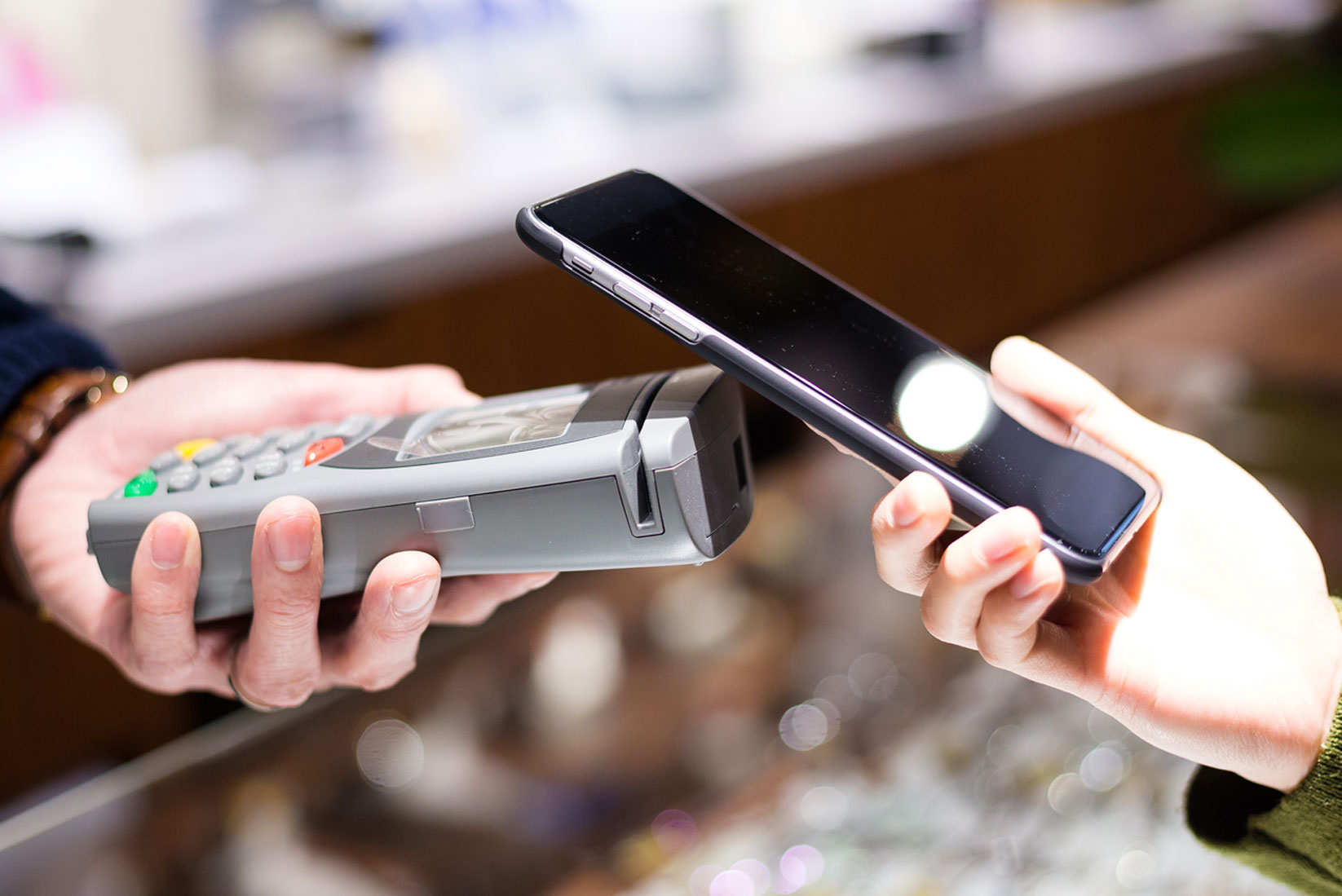
In the digital age, mobile payments have revolutionized how we conduct financial transactions. The convenience of tapping a phone or scanning a QR code has quickly become mainstream, reshaping consumer behavior and expectations. However, behind the sleek interfaces and lightning-fast checkouts lies one fundamental factor that determines whether a mobile payment solution thrives or fails—consumer trust. For businesses and technology providers like https://dgi-chicago.com, understanding why consumer trust is vital in mobile payments is critical for long‑term adoption and success.
The Evolution of Mobile Payments and Why Trust Matters
Mobile payments have evolved from niche experimentation to everyday necessity. With traditional cash and card payments losing dominance, digital wallets and peer‑to‑peer transfers have surged. Customers now expect fast, secure, and seamless payments at retail stores, online platforms, and even in social interactions.
Despite rapid adoption, concerns around security, privacy, and fraud persist. When users hand over control of their financial data to mobile payment providers, they must believe that their information is safe and protected. Consumer trust becomes the backbone of the entire ecosystem — without it, users hesitate to adopt mobile payment methods, slowing growth and undermining innovation.
What Consumer Trust Really Means in Mobile Payments
Trust in mobile payments goes beyond simply believing a system works. It encompasses several aspects:
Confidence in Security
Security is the foremost concern for consumers when adopting mobile payments. Users need assurance that their financial and personal data are encrypted, stored securely, and protected against theft and cyberattacks. The presence of robust authentication methods like biometrics or multi‑factor authentication significantly boosts confidence. When consumers trust that their sensitive information stays protected, they are more likely to use mobile payment services frequently and recommend them to others.
Assurance of Privacy
Consumers are increasingly aware of how companies use their data. Trust is fostered when payment providers are transparent about data collection, storage, and usage practices. Users want assurance that their transaction histories, spending behaviors, and personal details won’t be shared without consent. Companies like https://dgi‑chicago.com make privacy transparency a priority by clearly outlining their data practices, building trust with users who are cautious about how their information will be handled.
Reliability and Consistency
Trust also stems from reliability. Mobile payment systems must work consistently across devices, networks, and environments. A payment failure at a checkout line or an unexpected app crash undermines confidence, even if the technology is fundamentally secure. Consumers who experience downtime or errors may revert to traditional payment methods or switch to competitors perceived as more dependable.
Why Consumer Trust Drives Adoption
Consumer trust directly influences the adoption rate of mobile payments. Here’s how:
Lower Adoption Barriers
People are naturally wary of new financial technologies. Without adequate trust, many consumers will avoid mobile payments altogether. A solid trust foundation reduces fear and uncertainty, encouraging users to try, adopt, and continue using mobile payment methods.
Increased Transaction Volume
When users trust a mobile payment platform, they’re more likely to use it often and for higher‑value transactions. Frequent usage not only boosts revenue for providers but also integrates mobile payments into everyday life — making them the default choice over cash or cards.
Word‑of‑Mouth and Network Effects
Trust spreads fast. Satisfied users who feel secure and confident are more likely to recommend mobile payment services to friends, family, and colleagues. Positive word‑of‑mouth becomes a powerful driver of organic growth. Mobile payment providers that earn consumer trust early position themselves to benefit from strong network effects as more users join and contribute to widespread adoption.
Brand Loyalty and Competitive Advantage
In a competitive market, trust differentiates brands. While many mobile payment solutions may offer similar features, those that successfully cultivate consumer trust gain a lasting advantage. Users stick with brands they trust, reducing churn and forging long‑term customer relationships that can withstand competitive challenges.
Building and Maintaining Trust in Mobile Payments
Mobile payment providers must take deliberate steps to build and maintain consumer trust. Here are essential strategies:
Implementing Cutting‑Edge Security Technologies
Security cannot be an afterthought. Providers must invest in state‑of‑the‑art encryption, tokenization, secure key storage, and fraud detection systems. Advanced authentication techniques — including fingerprint scans, facial recognition, and one‑time passcodes — add layers of protection that reassure users.
Providers like https://dgi‑chicago.com prioritize security protocols that meet or exceed industry standards. By communicating these protocols clearly, companies reinforce user confidence that they are safeguarding payments and personal information.
Transparent Privacy Policies
Clarity and transparency are key to trust. Users should easily understand what data is collected, why it’s needed, how it’s stored, and who, if anyone, has access. Providers should avoid jargon and ambiguity, opting instead for straightforward language.
Clear privacy policies not only comply with regulatory requirements but also signal to users that their rights and preferences are respected. This transparency builds trust and fosters long‑term loyalty.
Fast and Reliable Customer Support
When something goes wrong — a failed transaction, a missing payment, or a security alert — users want quick resolutions. Responsive customer support demonstrates that the provider values its users and stands behind its service. Providing accessible support channels, fast response times, and knowledgeable representatives reinforces trust each time an issue is resolved smoothly.
Consistent Communication and Updates
Mobile payment systems are constantly evolving. When providers roll out updates, enhancements, or changes to terms of service, they should communicate these proactively and clearly. Keeping users informed prevents confusion and reinforces a sense of partnership and respect.
The Role of Regulation in Fostering Trust
Government regulation plays a vital role in consumer trust. Regulations like PCI DSS (Payment Card Industry Data Security Standard), GDPR (General Data Protection Regulation), and other financial compliance frameworks set minimum standards for security, privacy, and accountability.
Providers that adhere to regulatory standards not only avoid legal penalties but also signal to users that they operate within recognized frameworks designed to protect consumers. Compliance badges, certifications, and independent audits further reinforce legitimacy and trustworthiness.
The Future of Mobile Payments Is Rooted in Trust
As mobile payments continue to replace traditional methods, consumer trust will remain the cornerstone of innovation and adoption. Emerging technologies like blockchain, biometrics, and artificial intelligence offer new opportunities to enhance security and user experience, but trust must be nurtured at every step.
Companies like https://dgi‑chicago.com that prioritize trust — through secure design, transparent practices, reliable service, and responsive support — will shape the future of mobile payments. In an increasingly digital world, consumer trust is not just an advantage; it’s an essential element that determines which mobile payment solutions succeed and which fall behind.