

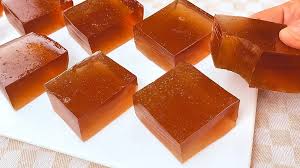
For decades, professional chefs have guarded a secret that separates restaurant-quality sauces, stews, and desserts from their homemade counterparts. It isn’t just about expensive equipment or exotic spices; it is often about a simple, humble ingredient found in the baking aisle: gelatin. This technique, affectionately known among culinary enthusiasts as the gelatin trick, is a game-changer for anyone looking to elevate their cooking from “good” to “extraordinary.”
Understanding the Science of Mouthfeel
To appreciate why the gelatin trick works, we first have to understand the concept of “body” in cooking. When you simmer a traditional bone broth for twelve hours, you are slowly extracting collagen from the connective tissues of the meat. As this collagen breaks down, it transforms into gelatin. This is why a high-quality chilled stock turns into a firm jelly—it is packed with protein structures that provide a rich, lip-smacking texture.
In the modern kitchen, however, we don’t always have twelve hours to simmer bones. Many home cooks rely on store-bought stocks or leaner cuts of meat, which often results in dishes that feel thin or watery on the palate. By intentionally adding powdered or sheet gelatin back into these dishes, you bypass the long extraction process while achieving the exact same luxurious mouthfeel.
The Savory Side: Revolutionizing Sauces and Stews
The most common application of the gelatin trick is in savory cooking. If you have ever made a pan sauce that tasted seasoned but felt “thin,” you have encountered a lack of gelatin.
Instant Silkiness in Pan Sauces
When you deglaze a pan with wine or stock, the resulting liquid is often runny. While a flour-based roux or a heavy cream reduction can thicken it, these methods change the flavor profile and add significant calories. By whisking a small amount of bloomed gelatin into your reduction, you achieve a glossy, velvety sauce that coats the back of a spoon perfectly without altering the clean flavors of your ingredients.
Enhancing Store-Bought Broth
Let’s be honest: most boxed chicken or beef broths are little more than flavored salt water. They lack the viscosity of a true demi-glace. A key part of the gelatin trick involves sprinkling a packet of unflavored gelatin over a bowl of cold store-bought stock and letting it “bloom” for five minutes before adding it to your pot. Once heated, the broth takes on a savory richness that tricks the tongue into thinking it has been simmering on the stove all day.
Meatloaf and Meatballs
The gelatin trick isn’t limited to liquids. Adding bloomed gelatin to your meatloaf or meatball mixture acts as a moisture reservoir. As the meat cooks and begins to lose its natural juices, the gelatin holds onto moisture, ensuring that your final dish is incredibly tender and juicy rather than crumbly and dry.
The Sweet Side: Precision in Pastry
While savory applications focus on texture and body, the gelatin trick in the world of desserts is all about structure and stability.
Stabilized Whipped Cream
There is nothing more frustrating than piping beautiful rosettes of whipped cream onto a cake, only to have them deflate and weep an hour later. By adding a small amount of melted gelatin to your heavy cream as you whip it, you create “stabilized” whipped cream. This allows your desserts to hold their shape at room temperature for hours, making it an essential tool for dinner parties and summer potlucks.
The Perfect Mousse and Panna Cotta
The beauty of the gelatin trick in chilled desserts lies in its transparency. Unlike cornstarch or flour, which can leave a cloudy appearance or a pasty aftertaste, gelatin provides a clean melt-in-the-mouth sensation. It allows the primary flavors—whether it’s dark chocolate, espresso, or fresh passionfruit—to shine through while providing enough structural integrity to unmold the dessert onto a plate.
How to Execute the Gelatin Trick Perfectly
To master the gelatin trick, you must follow a specific process. Gelatin is finicky; if handled incorrectly, it can become lumpy or lose its thickening power.
Step 1: Blooming
Never add dry gelatin powder directly into a hot liquid. It will clump instantly, creating “fish eyes” that are impossible to dissolve. Instead, sprinkle the powder over a small amount of cold liquid (water, juice, or stock). Let it sit for 5 to 10 minutes. The granules will absorb the liquid and swell, a process known as blooming.
Step 2: Melting
Once bloomed, the gelatin needs heat to dissolve completely. In savory cooking, you can stir the bloomed mass directly into your simmering sauce. For cold desserts, you may need to gently microwave the bloomed gelatin or melt it over a double boiler before folding it into your base.
Step 3: Setting
Gelatin requires time and cold temperatures to set. If you are using the gelatin trick for a jellied dessert, expect at least 4 to 6 hours of refrigeration. However, for savory sauces, the effect is instantaneous as soon as the sauce begins to cool slightly on the plate.
Common Pitfalls to Avoid
Even though the gelatin trick is simple, there are a few scientific “gotchas” to keep in mind:
- Proteolytic Enzymes: Certain raw fruits—like pineapple, kiwi, papaya, and ginger—contain enzymes that break down protein. If you try to use the gelatin trick with raw pineapple juice, it will never set. You must cook these fruits first to denature the enzymes.
- Boiling: While gelatin needs heat to melt, prolonged boiling can actually weaken its gelling bonds. It is usually best to add your gelatin toward the end of the cooking process.
- Acidity: Highly acidic liquids (like vinegar or strong citrus) can weaken the strength of the gelatin. If you are making a very tart lemon jelly, you may need to increase the amount of gelatin used.
Why Every Home Cook Should Embrace This Technique
The gelatin trick is the ultimate “shortcut” that isn’t actually a shortcut—it’s a scientific optimization of the cooking process. It allows you to produce food that has a professional sheen and a satisfying weight. It transforms a simple pan-seared chicken breast into a bistro-style meal and turns a basic fruit puree into an elegant centerpiece.
By keeping a box of unflavored gelatin in your pantry, you are essentially holding the key to “instant” long-simmered quality. Whether you are trying to save a thin gravy at Thanksgiving or looking to create the perfect tiered cake for a birthday, this simple protein is your most reliable ally.
Once you start noticing the difference the gelatin trick makes in the mouthfeel of your food, there is no going back. You will find yourself reaching for those little silver packets every time you turn on the stove, confident in the knowledge that your dishes will have the depth, shine, and luxury of a high-end restaurant.