

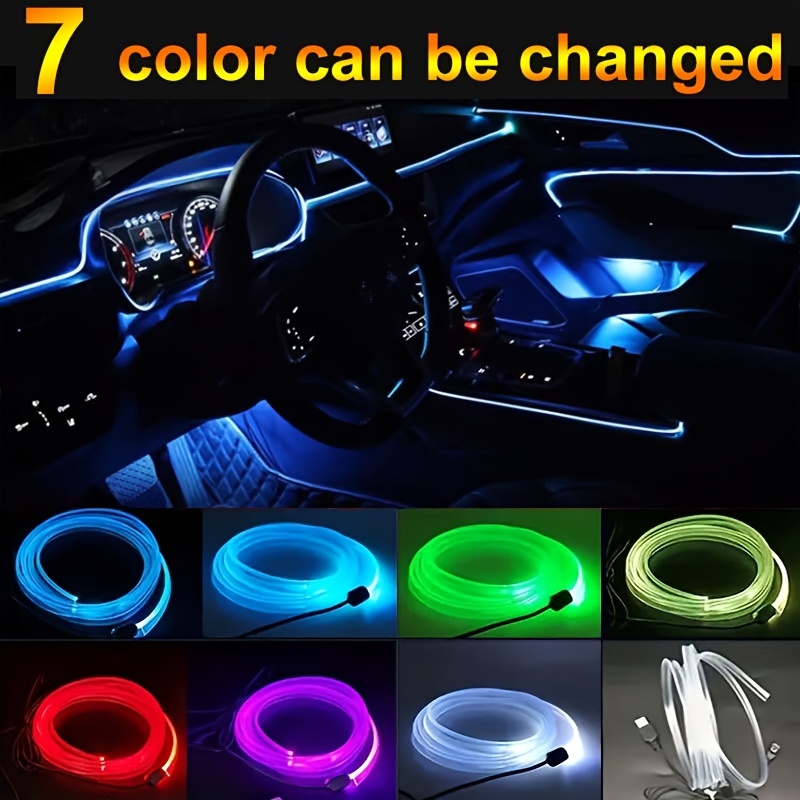
Automotive technology has always been at the forefront of innovation, but one area that has truly transformed in recent years is vehicle lighting. Traditional halogen and incandescent bulbs are increasingly being replaced by automotive LED lighting, which not only enhances the aesthetics of vehicles but also significantly improves functionality, safety, and energy efficiency. The influence of automotive LED lighting manufacturers has been pivotal in this evolution, shaping the way modern vehicles are designed and experienced by drivers.
The Evolution of Vehicle Lighting
Vehicle lighting has come a long way since the first electric headlights were introduced in the early 20th century. Initially, lighting focused primarily on providing basic visibility at night. Halogen bulbs became standard due to their affordability and brightness, but they had several limitations, including high energy consumption and a shorter lifespan. The automotive industry gradually began seeking alternatives that could provide more efficient, durable, and versatile lighting solutions. This quest led to the widespread adoption of LED technology, which has now become a hallmark of modern automotive design.
Advantages of LED Technology in Vehicles
Automotive LED lighting manufacturers have been instrumental in driving the adoption of LED technology across vehicle models. LEDs, or Light Emitting Diodes, offer several advantages over traditional lighting systems:
- Energy Efficiency: LED lights consume significantly less power compared to halogen or xenon bulbs. This reduced energy consumption contributes to overall vehicle efficiency, which is particularly important for electric and hybrid vehicles, where energy conservation is crucial.
- Long Lifespan: LEDs have a considerably longer lifespan than traditional bulbs, often lasting tens of thousands of hours. This longevity reduces maintenance costs and improves reliability, ensuring that drivers experience consistent illumination over the life of the vehicle.
- Improved Visibility and Safety: LED lights provide brighter, sharper, and more focused beams, enhancing night-time visibility and reducing glare for oncoming drivers. Automotive LED lighting manufacturers have developed advanced lighting systems that adapt to driving conditions, such as automatic high-beam control and cornering lights, improving road safety.
- Design Flexibility: One of the most significant advantages of LED technology is its versatility in design. LEDs are small, lightweight, and can be arranged in complex patterns, allowing automotive designers to create sleek and distinctive lighting signatures that define a vehicle’s identity. This has transformed headlights, taillights, and even interior lighting, giving cars a modern, futuristic look.
Influence on Vehicle Design
Automotive LED lighting has gone beyond functionality to become a key element of vehicle design. The flexibility of LED technology allows designers to experiment with shapes, sizes, and arrangements, enabling the creation of unique visual identities for different car models. This customization enhances brand recognition and allows automakers to stand out in a competitive market.
For instance, many luxury car brands now use LED daytime running lights (DRLs) as a signature feature. These lights not only improve daytime visibility but also create a distinctive front-end appearance that is instantly recognizable. Similarly, rear LED lighting designs are used to convey brand personality while improving safety by providing brighter, more noticeable brake lights.
Interior lighting has also benefited from LED technology. Automotive LED lighting manufacturers have developed ambient lighting solutions that allow drivers to customize the cabin experience. Soft LED strips and adjustable lighting zones can create a more comfortable, visually appealing environment, enhancing the overall driving experience.
Technological Innovations Driving the LED Revolution
The evolution of automotive LED lighting is not just about replacing traditional bulbs. It is also about integrating smart technology and advanced electronics into vehicle lighting systems. Automotive LED lighting manufacturers are now producing intelligent lighting solutions that interact with the vehicle and its surroundings.
Adaptive headlights, for example, use sensors and cameras to detect oncoming traffic, road curvature, and ambient light conditions. The LED system can then adjust the beam pattern automatically, ensuring optimal illumination without blinding other drivers. Matrix LED systems take this a step further, using multiple LEDs that can be individually controlled to shape the light beam with precision. This technology enhances safety and provides an unmatched driving experience at night.
Another innovation is laser-assisted LED lighting, which combines LED technology with laser diodes to produce even brighter, longer-reaching beams. This is particularly beneficial for high-speed driving on highways, where extended visibility is crucial. Automotive LED lighting manufacturers continue to research and develop these cutting-edge technologies to make vehicles safer, more energy-efficient, and visually striking.
Environmental and Economic Impact
The shift to LED lighting also has positive implications for the environment and the automotive industry. LEDs are more energy-efficient, reducing the overall power demand and associated carbon emissions from vehicles. Their long lifespan means fewer replacements, reducing waste and minimizing the environmental footprint of lighting production.
From an economic standpoint, although LED systems are initially more expensive than halogen or incandescent bulbs, their durability and low maintenance requirements make them cost-effective over time. Automotive LED lighting manufacturers have been improving production techniques and materials to make LED solutions more accessible to a wider range of vehicles, including mid-range and budget models.
Collaboration with Automotive LED Lighting Manufacturers
The progress in LED technology would not have been possible without collaboration between automakers and specialized automotive LED lighting manufacturers. These manufacturers invest heavily in research and development to create innovative lighting solutions that meet both functional and aesthetic requirements. Their expertise allows car manufacturers to implement advanced systems efficiently, ensuring safety, regulatory compliance, and design excellence.
Automotive LED lighting manufacturers are also exploring the potential of connected lighting, where vehicle lights communicate with other vehicles and infrastructure. This could enable features such as warning drivers of hazards ahead or signaling lane changes and braking intentions, further enhancing road safety and traffic flow.
Conclusion
Automotive LED lighting has revolutionized vehicle design and functionality, blending aesthetics, performance, and safety in ways that were unimaginable just a decade ago. From energy efficiency and long-lasting performance to innovative design possibilities and adaptive technology, LEDs have become a cornerstone of modern automotive engineering. Automotive LED lighting manufacturers play a crucial role in this transformation, continuously pushing the boundaries of what vehicle lighting can achieve.
As technology continues to evolve, the future of automotive lighting promises even more exciting innovations. Vehicles will not only shine brighter and more efficiently but will also communicate intelligently with their environment, offering safer, smarter, and more visually appealing experiences for drivers and passengers alike. The impact of automotive LED lighting is undeniable, marking a new era where form meets function in the most brilliant way possible.