

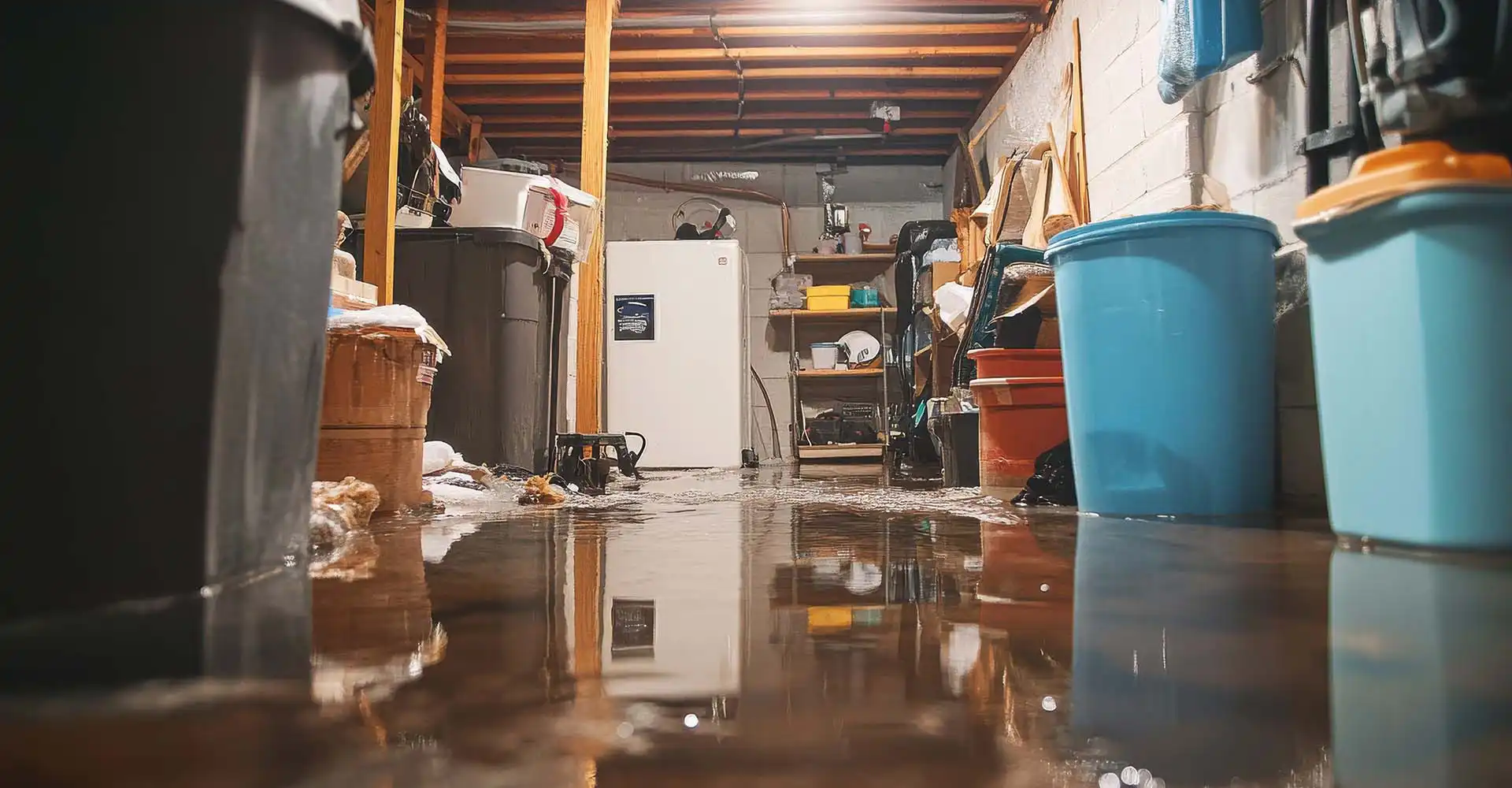
Experiencing a disaster at home can be overwhelming and stressful. Whether it’s a flood, fire, storm, or another unexpected event, the aftermath often leaves homeowners unsure where to begin. Professional disaster clean up service providers are trained to handle these emergencies efficiently, but there are steps you can take to prepare your home before they arrive. Proper preparation not only speeds up the restoration process but also ensures the safety of everyone involved.
Understanding the Role of a Disaster Clean Up Service
A disaster clean up service is equipped to manage various types of damage, including water, fire, mold, and storm-related destruction. These professionals use specialized equipment and techniques to restore your home to a safe and livable condition. Their services often include debris removal, sanitization, water extraction, smoke and odor removal, and structural repairs. By understanding what a disaster clean up service can provide, homeowners can make better decisions and collaborate effectively with the restoration team.
Assessing the Damage Before Professionals Arrive
Before a disaster clean up service enters your home, it is essential to conduct a preliminary assessment of the damage. Walk through your property carefully, noting affected areas, potential hazards, and any items that may require immediate attention. Take photographs or videos for insurance purposes, as these records are crucial for filing claims. Avoid entering flooded areas or spaces with structural damage, as these can pose serious safety risks.
Securing Your Home and Valuables
One of the first steps in preparing your home is securing valuables and important documents. Remove personal items such as jewelry, cash, and sensitive paperwork from the affected areas. If possible, move them to a safe, dry location outside the immediate disaster zone. In addition, turn off utilities like electricity, gas, and water if they are compromised to prevent further damage or accidents. Alerting your disaster clean up service about any utility concerns is also important, as professionals may need to coordinate with local authorities before starting work.
Clearing Access Points and Work Areas
Disaster clean up service teams need clear access to the affected areas to work efficiently. Remove obstacles such as furniture, rugs, and decorations that could hinder their progress. If large items cannot be moved safely, inform the restoration team so they can take precautions. Ensuring open pathways and sufficient space allows professionals to bring in equipment such as dehumidifiers, air movers, and cleaning machinery without delay.
Communicating Specific Concerns and Priorities
Clear communication with your disaster clean up service is essential. Let the team know about any health concerns, fragile items, or sentimental belongings that require special care. Additionally, prioritize areas that need urgent attention, such as living spaces, kitchens, and bedrooms. Professionals can then focus on critical zones first, preventing further damage and making your home safe to inhabit as quickly as possible.
Preparing Documentation for Insurance and Records
Insurance claims are often a necessary part of disaster recovery. Before the disaster clean up service begins work, gather all relevant documents, including property insurance policies, previous inspection reports, and receipts for damaged items. This preparation allows the restoration company to document the damage accurately and provide comprehensive reports for your insurance provider. Having this information ready also reduces delays in claim processing, enabling faster financial recovery.
Ensuring Safety Measures Are in Place
Safety should be a top priority during any disaster recovery process. Inform the disaster clean up service about any structural concerns, chemical hazards, or areas with mold growth. Keep children and pets away from work zones to prevent accidents. Professionals are trained to handle dangerous conditions, but your cooperation in maintaining a safe environment is vital. Wearing protective gear when entering partially damaged areas and following professional guidance helps minimize risks.
Removing Perishable and Hazardous Items
If the disaster involved water, fire, or chemical exposure, perishable items such as food and beverages may be contaminated. Dispose of these items before the professionals arrive to reduce health hazards and facilitate the clean-up process. Similarly, identify any hazardous materials like paint, gasoline, or cleaning chemicals and store them safely or remove them entirely. Proper handling of these items ensures the disaster clean up service can operate safely and efficiently.
Planning for Temporary Living Arrangements
Depending on the severity of the damage, your home may be uninhabitable during restoration. Preparing temporary living arrangements in advance can reduce stress and ensure the safety of your family. Inform the disaster clean up service if you will be away during the process, so they can coordinate access and maintain security. Planning ahead allows the team to focus on restoration without interruptions while giving you peace of mind.
Maintaining Open Communication Throughout the Process
After the disaster clean up service begins work, maintaining open communication is crucial. Regular updates on progress, challenges, and timelines help you stay informed and make necessary decisions promptly. Professionals may encounter unexpected issues, such as hidden mold or structural weaknesses, and your cooperation in addressing these problems ensures a smoother recovery. Clear dialogue also helps build trust between homeowners and restoration teams, making the overall process more efficient and less stressful.
Post-Cleanup Considerations and Follow-Up
Once the disaster clean up service completes the restoration, review the work thoroughly. Check for any areas that may need additional attention, such as lingering odors, moisture, or minor repairs. Keep a record of the services performed, as this information may be useful for future reference or insurance purposes. Additionally, discuss preventive measures with the professionals to reduce the risk of similar damage in the future. Proper follow-up ensures that your home remains safe, healthy, and fully restored.
Conclusion
Preparing your home for professional disaster clean up service is an essential part of effective recovery. By assessing damage, securing valuables, clearing access points, communicating priorities, and ensuring safety, homeowners can support the restoration team in completing their work efficiently. Gathering documentation for insurance claims, removing hazardous items, planning temporary living arrangements, and maintaining communication further streamline the process. Ultimately, proper preparation not only accelerates restoration but also protects your family and property, allowing you to recover from a disaster with confidence and peace of mind.
This structured approach ensures that your disaster clean up service can operate at its full potential, restoring your home quickly and safely while minimizing stress and long-term damage.