

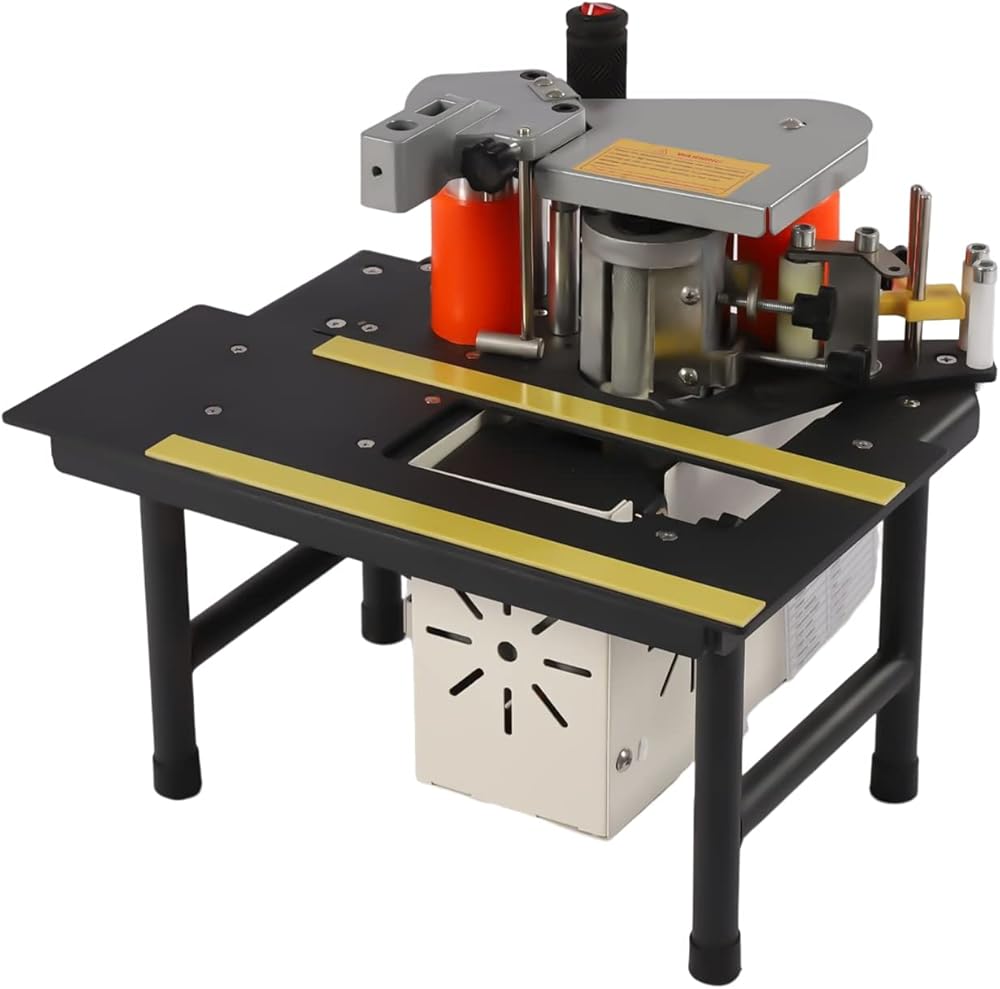
Investing in an Edge Banding Machine is a significant decision for any woodworking business, whether you run a small workshop or a large-scale manufacturing unit. This machine plays a critical role in enhancing the durability, appearance, and overall quality of furniture and panels by sealing exposed edges. Before making a purchase, it is essential to understand how these machines work, what features matter most, and how to choose the right model for your specific needs. This guide will walk you through everything you need to know to make an informed investment.
Understanding What an Edge Banding Machine Does
An Edge Banding Machine is designed to apply a thin strip of material, known as edge banding, to the exposed edges of panels such as MDF, plywood, or particle board. These edges are often vulnerable to moisture, dust, and wear, and untreated edges can significantly reduce the lifespan of a product. By bonding materials like PVC, ABS, veneer, or melamine to the edges, the machine ensures a clean, professional finish while improving durability.
Modern edge banding machines automate several processes, including gluing, trimming, scraping, buffing, and sometimes pre-milling. This automation not only increases production speed but also ensures consistent quality, which is difficult to achieve with manual methods.
Why Investing in an Edge Banding Machine Makes Sense
Improved Product Quality and Aesthetics
One of the primary reasons businesses invest in an Edge Banding Machine is the visible improvement in product quality. Clean, seamless edges give furniture a polished, high-end appearance that customers expect. A well-applied edge band also protects the core material, reducing chipping and swelling over time.
Increased Productivity and Efficiency
Manual edge banding is time-consuming and labor-intensive. An automated or semi-automatic machine can process dozens or even hundreds of panels in the time it would take to manually finish a few. This increased efficiency allows workshops to take on more projects, meet tight deadlines, and scale operations without significantly increasing labor costs.
Long-Term Cost Savings
While the upfront cost of an Edge Banding Machine can be substantial, the long-term savings often justify the investment. Reduced material waste, lower labor expenses, fewer product rejections, and faster turnaround times all contribute to a strong return on investment.
Types of Edge Banding Machines Available
Manual Edge Banding Machines
Manual machines are typically used by small workshops or hobbyists. They require more operator involvement and are best suited for low-volume production. While they are more affordable, they offer limited speed and precision compared to automated options.
Semi-Automatic Edge Banding Machines
Semi-automatic machines strike a balance between cost and functionality. They automate key processes like gluing and trimming while still requiring some manual handling. These machines are ideal for small to medium-sized businesses looking to improve efficiency without a large capital investment.
Fully Automatic Edge Banding Machines
Fully automatic edge banding machines are designed for high-volume production environments. They can handle multiple operations in a single pass, delivering consistent results at high speed. Although they come with a higher price tag, they are indispensable for large manufacturers focused on productivity and uniform quality.
Key Factors to Consider Before Buying
Production Volume and Business Size
Before choosing an Edge Banding Machine, assess your current and future production needs. A small workshop may not benefit from a fully automatic machine, while a growing business might quickly outgrow a manual or semi-automatic model. Choosing a machine that aligns with your production goals ensures you get the best value for your investment.
Types of Edge Banding Materials
Different machines support different edge banding materials and thicknesses. Make sure the machine you select can handle the materials you commonly use, such as PVC, ABS, wood veneer, or melamine. Flexibility in material handling can be a major advantage as customer demands evolve.
Glue System and Technology
The glue system is a critical component of any Edge Banding Machine. Hot melt EVA glue is common and cost-effective, while PUR glue offers superior bonding strength and moisture resistance. Consider your application requirements and whether the machine supports the glue technology that best suits your products.
Machine Features and Automation Level
Advanced features like pre-milling units, corner rounding, scraping, and polishing can significantly enhance the final finish. While these features increase the machine’s cost, they also reduce the need for additional manual work and improve consistency. Evaluate which features are essential for your workflow.
Space and Power Requirements
Edge banding machines vary in size and power consumption. Ensure your workshop has adequate space, electrical capacity, and ventilation to support the machine. Overlooking these practical considerations can lead to installation challenges and additional expenses.
Maintenance and After-Sales Support
Ease of Maintenance
Regular maintenance is essential to keep an Edge Banding Machine running smoothly. Look for machines with accessible components, clear maintenance guidelines, and readily available spare parts. A machine that is easy to maintain will experience less downtime and lower operating costs.
Technical Support and Training
Reliable after-sales support is just as important as the machine itself. Manufacturers or suppliers that offer installation assistance, operator training, and responsive technical support can save you significant time and frustration. Proper training also ensures operators use the machine efficiently and safely.
Budgeting and Return on Investment
Initial Cost vs Long-Term Value
It is tempting to choose the cheapest option available, but the lowest upfront cost does not always provide the best value. A higher-quality Edge Banding Machine may offer better performance, durability, and efficiency, leading to greater long-term savings and higher customer satisfaction.
Calculating ROI
To evaluate return on investment, consider factors such as increased production capacity, reduced labor costs, lower material waste, and improved product quality. Many businesses find that a well-chosen edge banding machine pays for itself within a relatively short period.
Making the Final Decision
Investing in an Edge Banding Machine is not just about purchasing equipment; it is about enhancing your production capabilities and positioning your business for growth. By carefully assessing your needs, understanding machine types and features, and considering long-term costs and support, you can make a confident and informed decision.