

Floods can strike unexpectedly, leaving homeowners facing immediate damage and long-term problems if not addressed properly. Understanding flood damage restoration and the steps to protect your home is critical for minimizing financial loss and preserving your property. This guide will walk you through the process of safeguarding your home against long-term flood-related issues.
Understanding Flood Damage
Floods can affect your home in numerous ways. Water infiltration may damage floors, walls, electrical systems, and personal belongings. Beyond the immediate impact, moisture left behind can lead to mold growth, structural weakening, and lasting odors. This is why professional flood damage restoration is essential—it ensures water removal, structural drying, and contamination control to prevent future issues.
Floodwater often contains contaminants such as bacteria, sewage, and chemicals. These hazardous elements can infiltrate building materials and household items, creating long-term health risks. Quick and efficient action reduces these risks and prevents irreversible damage.
Immediate Steps After a Flood
When facing a flood, time is of the essence. The first step in flood damage restoration is to ensure safety. Avoid entering floodwaters until they are confirmed safe, as hidden electrical hazards and unstable structures can be dangerous. Once safe, start documenting the damage for insurance purposes. Photos and detailed notes will support claims and ensure comprehensive coverage.
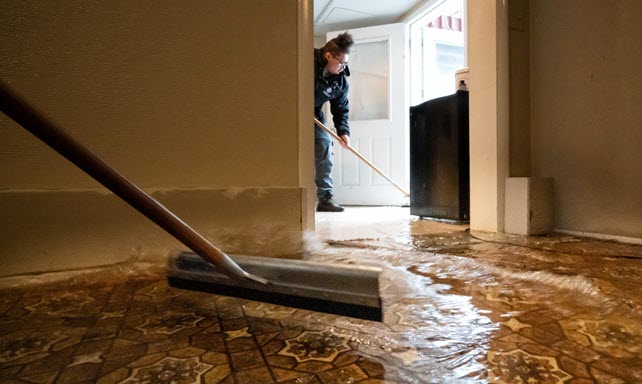
Next, remove excess water. Depending on the flood level, this may require pumps, wet vacuums, or professional services. Prompt water removal minimizes the chance of mold growth and structural damage. It’s important to also ventilate the home with open windows and fans if weather conditions allow, but only when safe to do so.
Professional Flood Damage Restoration Services
Professional flood damage restoration services play a key role in mitigating long-term problems. Experts assess the extent of water infiltration and implement specialized drying techniques, including industrial-grade dehumidifiers and air movers. These methods reach areas that are otherwise difficult to dry, such as wall cavities, basements, and crawl spaces.
Another critical service is mold prevention and remediation. Floodwater promotes rapid mold growth within 24–48 hours. Restoration specialists identify affected areas, remove contaminated materials, and treat surfaces with antimicrobial solutions. By addressing mold early, homeowners avoid chronic health issues and costly repairs.
Additionally, professionals help restore your home’s structure and contents. They repair damaged flooring, drywall, and insulation, and may also restore personal belongings such as furniture, electronics, and documents. Flood damage restoration companies provide comprehensive services that save time and reduce long-term headaches.
Protecting Your Home Against Future Floods
Preventing long-term flood issues involves proactive planning and home improvements. Start by evaluating your property’s flood risk. Homes in low-lying areas or near rivers may require additional protective measures.
Install barriers such as flood gates, sandbags, or water-resistant shields around vulnerable areas. Ensure proper grading around your property so water flows away from the foundation. Clean and maintain gutters and drains to prevent blockages that can worsen flooding.
Consider using water-resistant building materials in areas prone to flooding. Tile, concrete, and pressure-treated wood are more resilient to water damage than carpet or untreated wood. Seal cracks in your foundation and install sump pumps in basements to manage water infiltration. These measures complement professional flood damage restoration and help safeguard your home over time.
Insurance and Financial Considerations
Flood insurance is vital for homeowners in flood-prone areas. Standard homeowner policies often do not cover flood damage, so a dedicated flood insurance plan provides essential financial protection. Review your policy carefully to understand coverage limits and ensure your home and belongings are adequately protected.
In the event of flooding, prompt communication with your insurance provider is crucial. Documenting damage, keeping receipts for repairs, and following restoration protocols increases the likelihood of a successful claim. Some flood damage restoration companies work directly with insurers, streamlining the process for homeowners.
Long-Term Monitoring and Maintenance
Even after professional restoration, ongoing vigilance is important. Inspect your home regularly for signs of moisture, mold, or structural weakness. Maintain sump pumps, drainage systems, and any flood barriers to ensure they remain functional. Consider investing in water detection devices that alert you to leaks or rising water levels.
Long-term home protection also involves keeping a clean and organized environment. Remove items that can trap moisture, such as cardboard or old carpets, from flood-prone areas. Regular maintenance and early detection of issues significantly reduce the risk of chronic damage after flooding.
Conclusion
Flooding is a serious threat, but with proper knowledge and timely action, homeowners can mitigate both immediate and long-term consequences. Flood damage restoration is not just about cleaning water; it’s about preventing mold, preserving structural integrity, and protecting your family’s health. Immediate response, professional services, proactive prevention, and long-term maintenance together create a comprehensive strategy to safeguard your home from flood-related issues.
By understanding the steps of restoration and implementing protective measures, you can face future floods with confidence, knowing your home is resilient and prepared. Investing in proper restoration and preventive actions is not only a smart financial decision but also ensures peace of mind for you and your loved ones.