

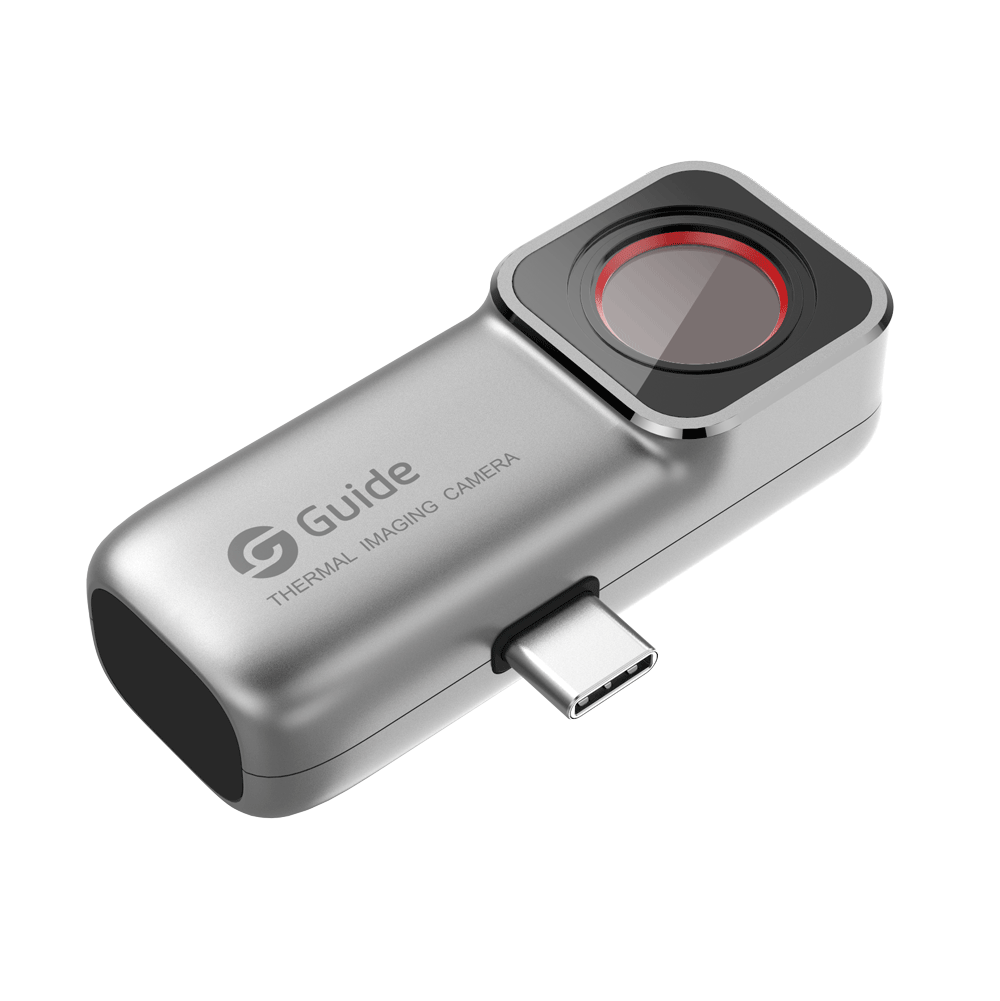
Thermal imaging technology has rapidly evolved, making once-specialized equipment accessible to everyday users. Among the most convenient forms of this technology is the handheld thermal imager for mobile phone, which allows you to capture heat signatures directly through your smartphone. Whether you’re a home inspector, a tech enthusiast, or someone who enjoys outdoor adventures, these devices offer incredible versatility and precision.
Understanding Handheld Thermal Imagers for Mobile Phones
A handheld thermal imager for mobile phone is a compact device that connects directly to your smartphone, turning it into a thermal camera. Unlike traditional cameras that capture visible light, thermal imagers detect infrared radiation emitted by objects. This capability allows you to see temperature variations, identify heat leaks, detect electrical problems, and even spot wildlife in darkness.
The portability and ease of use make handheld thermal imagers particularly appealing. They are designed to fit in your pocket or bag, providing on-the-go thermal imaging capabilities without the need for bulky equipment. Many models connect via USB-C or Lightning ports, while others pair with your phone through Wi-Fi or Bluetooth, offering flexibility based on your device.
Key Features to Look For
When choosing a handheld thermal imager for mobile phone, there are several important features to consider:
Resolution and Sensitivity: Higher resolution ensures clearer images, while sensitivity measures how accurately the device detects temperature differences. For detailed inspections, a sensitive thermal imager can reveal subtle heat patterns.
Temperature Range: Depending on your use, check the temperature range the device can detect. Some models are designed for household use, while others are suitable for industrial applications.
Field of View: A wider field of view captures more area in a single image, which is useful for scanning rooms, machinery, or outdoor environments.
App Integration: Most handheld thermal imagers rely on companion apps. Look for apps that offer features like image enhancement, thermal blending, and real-time video streaming. A good app makes it easier to analyze and share thermal data.
Battery Life and Portability: Since these devices are handheld, battery life is crucial. Long-lasting devices reduce interruptions during extended inspections or outdoor use.
Applications in Home and Building Inspections
One of the most popular uses of a handheld thermal imager for mobile phone is in home and building inspections. These devices allow you to quickly identify heat leaks around windows, doors, or poorly insulated walls. They can also detect moisture intrusion behind walls, which can lead to mold growth if left unchecked.
Electricians and HVAC professionals find handheld thermal imagers invaluable for identifying overheating circuits, malfunctioning components, and uneven heating or cooling in ductwork. By using your mobile device as the interface, inspections become faster and more organized, as images and videos can be saved, annotated, and shared instantly.
Outdoor and Adventure Uses
Thermal imaging isn’t limited to indoor applications. Many outdoor enthusiasts use a handheld thermal imager for mobile phone during nighttime wildlife observation, hunting, or camping. These devices can detect animals in total darkness by picking up body heat, offering a safer and more effective way to explore nature.
Additionally, hikers and explorers can use thermal imagers to monitor temperature changes in the environment, detect potential hazards, or even check the heat of machinery, vehicles, or campfires. This versatility makes thermal imagers an essential tool for safety and convenience in outdoor adventures.
Industrial and Professional Applications
In industrial settings, a handheld thermal imager for mobile phone is an essential diagnostic tool. Engineers and maintenance personnel use thermal imaging to monitor machinery and equipment. Identifying overheating components before failure can prevent costly downtime and ensure safety in the workplace.
Thermal imagers are also used in research and development to test prototypes and monitor temperature-sensitive processes. The ability to attach the device to a mobile phone simplifies documentation and analysis, as images and temperature data can be stored, reviewed, and shared quickly with teams or clients.
Choosing the Right Thermal Imager for Your Mobile Device
With many options on the market, selecting the ideal handheld thermal imager for mobile phone can seem overwhelming. Consider these factors to make an informed decision:
Compatibility: Ensure the device is compatible with your phone model and operating system. Some thermal imagers support both Android and iOS, while others are limited to one platform.
Image Quality: Higher pixel resolution and thermal sensitivity improve accuracy and detail. Pay attention to the specifications to get the best results for your intended use.
Durability: Look for rugged designs if you plan to use the thermal imager outdoors or in industrial environments. Shock-resistant and waterproof models can withstand tough conditions.
Software Features: Check the accompanying app’s capabilities. Features like image fusion, adjustable color palettes, and real-time video are essential for professional-grade analysis.
Price vs Performance: While high-end models offer advanced features, budget-friendly options can be excellent for casual users or basic inspections. Choose a device that balances your needs with affordability.
Tips for Maximizing Your Thermal Imaging Experience
To get the most out of your handheld thermal imager for mobile phone, follow these practical tips:
Learn to Interpret Thermal Images: Understanding the color patterns and temperature readings is essential. Warmer areas are usually displayed in shades of red or yellow, while cooler areas appear blue or green.
Use Image Enhancement Tools: Many apps provide contrast adjustments, color blending, and zoom features. Utilize these tools to highlight important details.
Maintain Your Device: Keep the lens clean and protect the device from extreme temperatures. Proper maintenance ensures consistent performance.
Practice Regularly: Like any technology, practice improves your ability to quickly identify issues and understand thermal patterns. Start with simple projects at home before moving to professional or industrial applications.
The Future of Mobile Thermal Imaging
Handheld thermal imagers for mobile phones are evolving rapidly. Future models are expected to offer higher resolution, faster processing, and better integration with AI-powered analysis tools. This will make thermal imaging more accessible, precise, and valuable across industries.
The convenience of attaching a compact device to a smartphone opens endless possibilities for professional and personal use. From inspecting homes and electrical systems to exploring wildlife at night, these devices provide a powerful way to see the invisible heat signature world around us.
Conclusion
A handheld thermal imager for mobile phone is no longer a luxury; it’s a practical tool that offers immense value for both casual users and professionals. With the ability to detect heat variations, analyze equipment, and explore the outdoors, it transforms your smartphone into a powerful diagnostic and observation device.
By understanding key features, applications, and usage tips, you can select the right thermal imager to fit your needs and make the most of this advanced technology. Whether for home inspections, industrial diagnostics, or outdoor adventures, a mobile-connected thermal imager brings the invisible world of heat into clear view.