

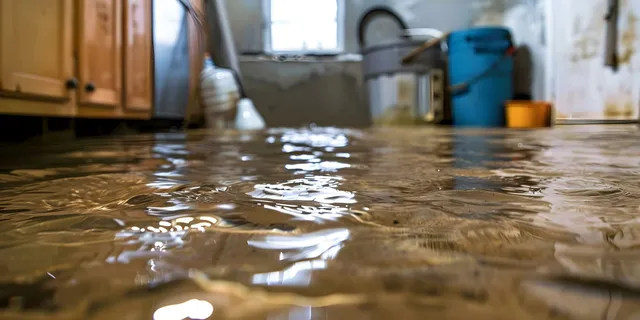
Basements are often the most vulnerable areas of a home when it comes to water damage. Flooding, leaks, or even high humidity can lead to significant problems, including structural damage, mold growth, and damage to personal belongings. Undertaking a proper basement water damage clean up is critical to minimize these risks and restore your basement to a safe and usable condition. This article explores the essential steps for effective basement water damage remediation.
Assess the Situation Immediately
The first step in any basement water damage clean up is to evaluate the extent of the damage. Determine the source of the water, whether it’s from heavy rainfall, a broken pipe, a sump pump failure, or groundwater seepage. Identifying the source is crucial to prevent further water intrusion and ensure that cleanup efforts are effective. Additionally, assess the safety of the area. Electrical hazards, such as exposed wires or submerged outlets, must be addressed immediately by turning off the electricity to the affected area before entering.
Remove Standing Water
Standing water is the most immediate concern in a flooded basement. It can cause severe damage if left untreated and can create an environment conducive to mold growth. Use a submersible pump for large volumes of water and wet/dry vacuums for smaller amounts. It is important to remove as much water as quickly as possible to minimize further structural damage. If the water is contaminated, such as from sewage backup, professional services may be necessary for safe removal.
Protect Yourself During Cleanup
Personal safety is essential during a basement water damage clean up. Wear protective gear such as gloves, waterproof boots, and masks to prevent contact with contaminated water and debris. In cases of heavy contamination or mold presence, consider full-body protection and respirators to avoid health risks. Ensuring proper ventilation is also critical to reduce exposure to airborne particles.
Salvage Belongings
Once the standing water is removed, focus on salvaging items that can be saved. Separate water-damaged items from those that are intact. Dry or clean salvageable materials such as furniture, documents, and personal items as soon as possible to prevent mold growth. Porous materials like carpets, rugs, and certain types of furniture may be unsalvageable and require disposal to prevent further contamination.
Dry and Dehumidify the Basement
Thorough drying is essential for effective basement water damage clean up. Use industrial fans, air movers, and dehumidifiers to remove remaining moisture from walls, floors, and other surfaces. Open windows and doors, if weather permits, to increase airflow. Pay special attention to corners, behind cabinets, and other areas where moisture can linger unnoticed. This step is critical to prevent secondary damage such as mold growth and structural weakening.
Clean and Disinfect Surfaces
After the basement is dried, it is important to clean and disinfect all affected surfaces. Water from floods often contains bacteria, dirt, and other contaminants. Use appropriate cleaning solutions and disinfectants on walls, floors, and furniture to ensure that no harmful microorganisms remain. For concrete or masonry surfaces, specialized cleaners may be necessary to remove any lingering residue. Regular household cleaners might not be sufficient for thorough sanitation.
Inspect for Mold and Mildew
Mold can begin growing within 24 to 48 hours after water exposure, making it a critical aspect of basement water damage clean up. Inspect all surfaces for signs of mold or mildew, such as discoloration, a musty odor, or fuzzy patches. If mold is detected, address it immediately using appropriate removal methods. Small areas can often be handled with DIY solutions, but larger infestations may require professional remediation to ensure safe and complete removal.
Repair and Restore Structural Damage
Water damage can compromise the structural integrity of your basement. Inspect walls, floors, and support beams for signs of damage, such as cracks, warping, or soft spots. Repairing structural issues promptly is essential to prevent long-term problems and ensure the basement remains safe. This step may involve replacing drywall, repairing flooring, sealing cracks, or applying waterproof coatings to prevent future water intrusion.
Prevent Future Water Damage
Once cleanup is complete, take steps to reduce the risk of future basement flooding. Regular maintenance of sump pumps, gutters, and drainage systems is essential. Waterproofing solutions, such as sealants, exterior drainage systems, or interior water barriers, can provide additional protection. Ensure that landscaping slopes away from the foundation to direct water flow away from the basement. Preventive measures are a key part of a comprehensive basement water damage clean up strategy.
Document the Damage for Insurance Purposes
Documenting the damage before and after cleanup is important if you plan to file an insurance claim. Take clear photos of damaged areas and items, and keep receipts for any cleanup or repair costs. Accurate documentation can help expedite insurance claims and ensure proper coverage for damages. Insurance providers often require detailed records to process claims related to water damage.
Know When to Call Professionals
While some basement water damage clean up tasks can be handled by homeowners, certain situations require professional intervention. Extensive flooding, contaminated water, severe mold infestations, or structural damage may be beyond the scope of DIY efforts. Professional water damage restoration services have specialized equipment and expertise to address severe issues safely and effectively, preventing long-term problems.
Conclusion
Effective basement water damage clean up involves a series of critical steps, from assessing the situation and removing standing water to drying, disinfecting, and restoring damaged areas. Prompt action is key to minimizing the impact of water damage, preventing mold growth, and safeguarding the structural integrity of your basement. By following these essential steps and taking preventive measures, homeowners can protect their basements from future water-related problems, ensuring a safe, healthy, and functional living space. Proper cleanup and maintenance not only restore your basement but also provide peace of mind knowing your home is protected from water damage.