

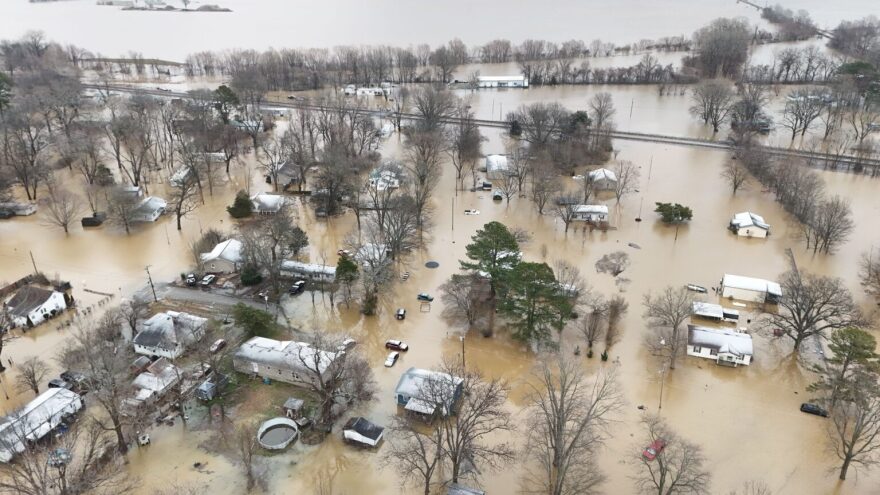
Flooding can strike unexpectedly, leaving homeowners and businesses in Nashville struggling to protect their property and ensure the safety of their families. A well-planned emergency strategy is crucial for mitigating damage and recovering efficiently. Understanding the key steps in Nashville flood clean up and safety measures can help residents navigate these stressful situations with confidence.
Understanding the Risks of Flooding in Nashville
Nashville’s location along the Cumberland River and its seasonal weather patterns make it susceptible to heavy rainfall and flash floods. Floodwaters can carry debris, sewage, and chemicals, posing health risks. Property damage can range from minor water stains to severe structural issues, making it essential to act quickly. Knowing the potential hazards of flooding in advance prepares homeowners for immediate response and long-term recovery.
Floodwaters can compromise electrical systems, damage flooring and walls, and create ideal conditions for mold growth. Understanding these risks emphasizes the importance of contacting professional services for nashville flood clean up while also following essential safety measures.
Immediate Steps After a Flood
When a flood hits, timing is critical. Begin with assessing safety before attempting any clean up. Avoid walking through floodwater if it is moving or deep, and ensure electricity and gas are turned off to prevent electrocution or fires. If evacuation is required, follow local emergency guidance and move to higher ground.
Once it is safe, document the damage with photos and videos for insurance purposes. Early documentation not only helps with claims but also allows cleanup teams to prioritize the most critical areas. Initiating nashville flood clean up as soon as possible reduces the likelihood of long-term damage such as warped floors or extensive mold growth.
Safety Precautions During Flood Clean Up
Personal safety is paramount during flood clean up. Protective gear, including waterproof boots, gloves, and masks, should be worn to minimize contact with contaminated water and debris. Floodwaters often contain harmful bacteria, sewage, and chemicals, making direct contact dangerous.
Avoid using electrical appliances until they have been inspected by a professional. If standing water remains in your home, consider using pumps or wet vacuums designed for water extraction, but always follow manufacturer guidelines. Ensuring proper ventilation by opening windows and doors helps reduce humidity and prevents mold from spreading.
Prioritizing Property Protection
After ensuring safety, the next focus is on protecting property. Remove valuable items and furniture from flooded areas if it is safe to do so. Place belongings on elevated surfaces to prevent further water damage. Carpets, rugs, and upholstered furniture may require professional cleaning or disposal depending on the level of contamination.
Inspect walls, floors, and structural components for signs of water intrusion. Quick intervention in nashville flood clean up can prevent minor issues from escalating into costly repairs. Using moisture meters or infrared cameras can help identify hidden water pockets behind walls or under floors.
Professional Nashville Flood Clean Up Services
Hiring a professional nashville flood clean up team is often the most efficient and safest way to restore a property. Trained technicians have the experience, equipment, and cleaning agents necessary to remove contaminated water, disinfect affected areas, and dry structures thoroughly.
Professionals can also handle complex tasks such as mold remediation, water extraction from hard-to-reach areas, and repairing structural damage. Engaging expert services not only ensures a more complete restoration but also reduces health risks associated with improper clean up.
Dealing with Mold and Contamination
Mold can begin growing within 24 to 48 hours after a flood, posing serious health risks. To prevent mold infestations, remove wet materials such as drywall, insulation, and carpeting that cannot be salvaged. Use disinfectants recommended for flood recovery to clean surfaces that have been in contact with contaminated water.
Proper disposal of debris and contaminated items is essential to maintaining a safe environment. Many nashville flood clean up services include guidance on local regulations for disposing of hazardous waste and water-damaged materials safely.
Maintaining Health and Hygiene
During and after flood clean up, maintaining personal health is crucial. Wash hands thoroughly after contact with floodwater or contaminated items. Avoid consuming food or water that may have been exposed to flood conditions.
If anyone develops symptoms of illness such as nausea, fever, or skin infections after flood exposure, seek medical attention immediately. Awareness of health risks and proactive hygiene practices can prevent the spread of disease during the recovery process.
Insurance and Documentation
Navigating insurance claims after a flood can be challenging. Keeping detailed records of damaged items, property conditions, and repair costs simplifies the claims process. Many insurance policies require prompt reporting of flood damage, so contact your provider as soon as possible.
Working with nashville flood clean up professionals often helps streamline documentation, as these experts can provide detailed reports, including moisture readings and remediation plans, that support insurance claims.
Long-Term Preventive Measures
After the immediate crisis has passed, consider long-term strategies to reduce future flood damage. Installing sump pumps, backflow valves, and flood barriers can help protect basements and lower-level areas. Regular maintenance of drainage systems and monitoring of local flood alerts also helps residents prepare in advance.
Reinforcing home structures and using water-resistant building materials can minimize property loss during future floods. Engaging in proactive planning is as important as emergency response for long-term safety and peace of mind.
Community and Emergency Resources
Local authorities in Nashville provide flood alerts, evacuation routes, and disaster relief resources. Staying informed about weather updates and community alerts can be lifesaving. Many neighborhoods have volunteer networks and emergency shelters that assist residents during floods.
Connecting with these resources ensures that families are not facing flood emergencies alone. Coordination between residents, professional clean up services, and local emergency management agencies strengthens overall community resilience.
Conclusion
Flooding is an unpredictable and potentially devastating event for Nashville residents. Understanding the risks, acting quickly, and prioritizing safety are essential for effective recovery. Professional nashville flood clean up services play a crucial role in restoring properties, managing contamination, and preventing long-term damage.
By combining immediate response strategies, proper safety precautions, and long-term preventive measures, homeowners can navigate flood emergencies more effectively. Preparation, professional assistance, and informed decision-making transform a stressful disaster into a manageable recovery process. Staying vigilant and proactive ensures that Nashville residents protect both their homes and their health during flood events.