

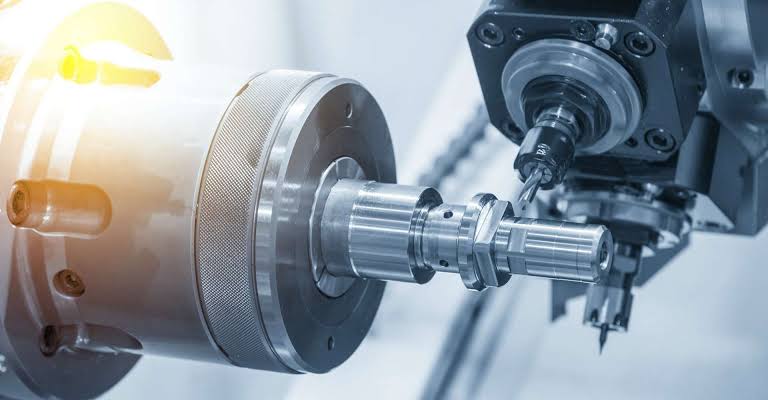
CNC precision machining has revolutionized manufacturing by offering unparalleled accuracy, efficiency, and consistency. However, the success of any CNC project heavily depends on selecting the right materials. Choosing an unsuitable material can compromise the structural integrity, precision, or cost-effectiveness of the final product. In this article, we will explore the most common materials used in CNC precision machining and identify what works best for different applications.
Understanding CNC Precision Machining
CNC precision machining involves using computer-controlled machines to cut, shape, and fabricate parts from raw materials with high accuracy. The process can handle complex designs that would be nearly impossible to achieve manually. CNC machines can work with metals, plastics, composites, and other materials, each presenting unique machining characteristics. The material’s hardness, thermal conductivity, and machinability directly influence the choice of tooling, cutting speed, and finishing techniques.
Metals Used in CNC Precision Machining
Metals are among the most frequently used materials in CNC precision machining due to their strength, durability, and versatility. They are ideal for applications requiring high structural integrity and long-lasting performance.
Aluminum
Aluminum is lightweight, corrosion-resistant, and highly machinable, making it a popular choice in CNC precision machining. It is widely used in aerospace, automotive, and electronics industries. Aluminum alloys like 6061 and 7075 offer excellent strength-to-weight ratios and can be finished to tight tolerances. Its softness relative to steel allows faster cutting speeds and lower tool wear, reducing production costs.
Stainless Steel
Stainless steel is known for its corrosion resistance and strength. It is commonly used in medical devices, food processing equipment, and architectural components. While stainless steel is more challenging to machine than aluminum due to its hardness and tendency to work-harden, modern CNC machines can achieve precise results with the right cutting tools and parameters. Grades like 304 and 316 stainless steel are standard choices for precision parts.
Titanium
Titanium combines lightweight characteristics with exceptional strength and corrosion resistance. It is often used in aerospace, medical implants, and high-performance automotive parts. Titanium’s toughness makes CNC precision machining more demanding, requiring slower cutting speeds and specialized tooling. Despite the machining challenges, titanium’s performance benefits make it worthwhile for critical applications.
Brass and Copper
Brass and copper are non-ferrous metals that offer excellent machinability and conductivity. Brass is commonly used in decorative hardware, electrical components, and plumbing fittings, while copper is ideal for heat sinks and electrical applications. CNC precision machining with these metals is relatively easy due to their softness, but care must be taken to avoid material buildup on cutting tools.
Plastics in CNC Precision Machining
Plastics are lightweight, corrosion-resistant, and versatile materials frequently used in CNC precision machining for non-structural or chemical-resistant applications.
ABS and Polycarbonate
ABS (Acrylonitrile Butadiene Styrene) and polycarbonate are thermoplastics often used for prototypes, housings, and mechanical components. ABS is relatively easy to machine, offers good impact resistance, and can be post-processed with sanding or painting. Polycarbonate is tougher and more heat-resistant, making it suitable for applications requiring durability and optical clarity.
Nylon and Delrin
Nylon and Delrin (acetal) are engineering plastics prized for their strength, low friction, and chemical resistance. These materials are widely used in gears, bearings, and mechanical components. CNC precision machining of Nylon and Delrin allows tight tolerances and smooth finishes, making them ideal for moving parts that require low wear.
PEEK
Polyether ether ketone (PEEK) is a high-performance thermoplastic used in aerospace, medical, and chemical industries. It can withstand extreme temperatures, aggressive chemicals, and mechanical stress. CNC precision machining with PEEK requires careful attention to tool selection and cutting parameters to maintain dimensional accuracy and surface finish.
Composites and Exotic Materials
In advanced applications, CNC precision machining often involves composites and exotic materials. These materials offer specialized properties but may require advanced machining techniques.
Carbon Fiber
Carbon fiber composites are lightweight and extremely strong, making them popular in aerospace, automotive, and sporting goods. CNC precision machining of carbon fiber must be done with diamond-coated tools and dust extraction systems to prevent tool wear and health hazards. The material’s anisotropic nature requires careful planning to avoid delamination and achieve precise tolerances.
Ceramics
Technical ceramics such as alumina and zirconia are used in high-temperature, wear-resistant, and electrical insulation applications. CNC machining ceramics is challenging due to their brittleness, often requiring diamond tools and low-speed cutting to prevent cracking. Despite the difficulty, the durability and heat resistance of ceramics make them valuable for specialized components.
Factors to Consider When Choosing Materials
Selecting the best material for CNC precision machining depends on several factors:
- Mechanical Properties: Consider strength, hardness, wear resistance, and flexibility. Metals like titanium and stainless steel excel in high-stress applications, while plastics are better for low-load components.
- Machinability: Softer metals and plastics are easier to machine, reducing tool wear and cycle time. Harder metals require specialized tooling but may provide better durability.
- Corrosion and Chemical Resistance: Stainless steel, titanium, and certain plastics resist corrosion, making them ideal for harsh environments.
- Thermal Properties: Materials with high thermal conductivity, like aluminum and copper, are suitable for heat dissipation applications. Plastics and ceramics can withstand high temperatures without deforming.
- Cost and Availability: Budget constraints and material accessibility can influence selection. Aluminum and standard plastics are cost-effective, while titanium and advanced composites are more expensive.
Conclusion
Choosing the right material is a critical step in CNC precision machining. Metals like aluminum, stainless steel, and titanium offer strength and durability, while plastics such as ABS, Delrin, and PEEK provide lightweight and chemical-resistant options. Composites and ceramics expand the possibilities for high-performance applications but require careful handling. Understanding the properties, machinability, and application requirements of each material ensures optimal performance, precision, and cost-efficiency. By carefully selecting materials, manufacturers can fully leverage the advantages of CNC precision machining and produce high-quality components for any industry.
CNC precision machining continues to evolve, enabling the production of complex, high-precision parts. With the right materials and techniques, engineers and manufacturers can achieve superior results, whether for aerospace, medical, automotive, or consumer applications.