

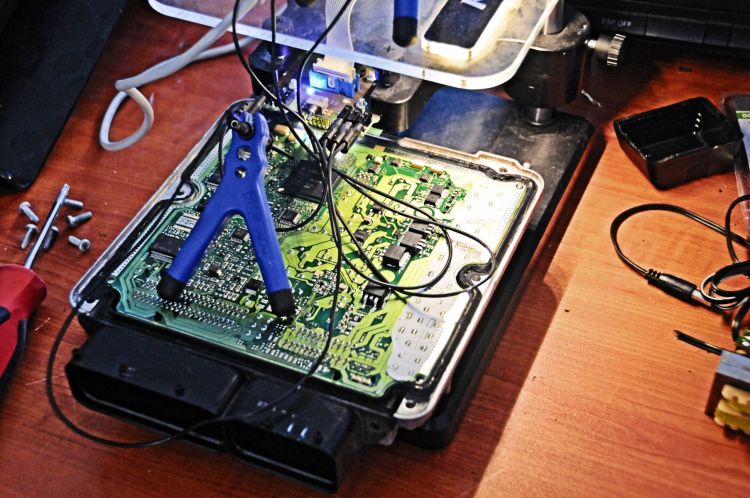
When it comes to enhancing your car’s performance, efficiency, or tuning capabilities, choosing the right auto ECU chip is critical. An ECU, or Engine Control Unit, is the brain of your vehicle, managing everything from fuel injection to ignition timing. The right auto ECU chip can unlock hidden potential in your car, while the wrong one can create compatibility issues or even damage your engine. With multiple models on the market, understanding their differences is essential to make an informed choice.
Understanding Auto ECU Chips
Before comparing models, it’s important to understand what an auto ECU chip does. Modern vehicles rely on the ECU to monitor and adjust the engine’s performance in real-time. The chip inside the ECU stores and processes data related to fuel efficiency, air-fuel ratios, ignition timing, and sometimes even transmission control. By upgrading or replacing this chip, car enthusiasts and professional tuners can achieve better horsepower, torque, or fuel economy.
Types of Auto ECU Chips vary widely. Some are designed for basic performance upgrades, while others are highly sophisticated, offering custom tuning and full data monitoring capabilities. Key distinctions include whether they are plug-and-play, require professional installation, or allow for full programmable mapping.
Stock vs. Aftermarket ECU Chips
One of the first considerations when choosing an auto ECU chip is whether to stick with a stock unit or move to an aftermarket option.
Stock ECU Chips are designed by the manufacturer and are optimized for reliability, emissions compliance, and overall drivability. They typically offer a balance of performance and fuel efficiency but leave little room for customization. For most everyday drivers, a stock chip is sufficient.
Aftermarket ECU Chips, on the other hand, are designed to maximize performance. Brands like APR, COBB, and Dinan produce chips for specific vehicle models that can boost horsepower, improve throttle response, and sometimes even increase fuel efficiency under certain driving conditions. However, aftermarket chips often require professional tuning and careful selection to avoid engine damage.
Popular Auto ECU Chip Models
When considering an upgrade, several auto ECU chip models stand out for their performance, features, and compatibility. Here’s a look at some popular options:
1. Plug-and-Play ECU Chips
These chips are designed for easy installation without any specialized tools or software. They often come pre-programmed for a specific vehicle make and model. Examples include certain chips from Superchips and Jet Performance. Plug-and-play options are ideal for beginners who want modest gains without technical complexity.
2. Programmable ECU Chips
Programmable chips allow tuners to adjust fuel maps, boost levels, and other engine parameters. They are commonly used in performance vehicles where precise tuning is essential. Brands like COBB Tuning and HP Tuners excel in this category. Programmable chips offer maximum flexibility but require knowledge of engine dynamics or professional tuning services.
3. Racing ECU Chips
Designed for motorsport applications, racing chips offer extreme performance gains but may compromise reliability and emissions compliance. They provide real-time data logging, higher RPM limits, and more aggressive fuel mapping. These chips are suitable for track-focused vehicles but are generally not recommended for daily driving.
4. Diesel-Specific ECU Chips
Diesel engines have unique requirements, and diesel-specific auto ECU chips are designed to optimize torque and fuel efficiency. Brands like Banks Power and Edge Products provide chips that enhance towing capacity, reduce turbo lag, and improve fuel economy in diesel vehicles.
Factors to Consider When Choosing an Auto ECU Chip
Choosing the right auto ECU chip requires careful evaluation of several factors:
Vehicle Compatibility – Not all chips work with every car model. Always check whether the chip is designed for your make, model, and year. Installing an incompatible chip can lead to engine misfires or even long-term damage.
Performance Goals – Identify what you want to achieve. If your goal is better fuel efficiency, a chip designed for performance gains might not be ideal. Conversely, if you want maximum horsepower, select a chip that emphasizes power output.
Installation Requirements – Some chips are simple plug-and-play devices, while others require professional installation and tuning. Understanding the installation process can save time and prevent mistakes.
Warranty and Safety – Upgrading an ECU can sometimes void your vehicle’s warranty. Choose a chip from a reputable manufacturer that offers technical support and warranty protection.
Software Flexibility – For those who want full control over engine mapping, a programmable chip is preferable. This allows future adjustments as you modify other components of your car, such as intake systems or exhausts.
Pros and Cons of Auto ECU Chips
Installing or upgrading an auto ECU chip offers several advantages:
- Improved Engine Performance – Increased horsepower and torque can enhance driving enjoyment.
- Better Fuel Efficiency – Certain chips optimize air-fuel ratios to save fuel under normal driving conditions.
- Custom Tuning Options – Programmable chips allow enthusiasts to fine-tune their engines for specific needs.
- Data Monitoring – Advanced chips provide real-time diagnostics and performance tracking.
However, there are some disadvantages to consider:
- Potential Engine Stress – Aggressive tuning can increase wear and tear on engine components.
- Compatibility Risks – Installing the wrong chip can cause engine errors or void warranties.
- Professional Installation Costs – Programmable and racing chips often require expert tuning, adding to overall expenses.
How to Install and Tune Your ECU Chip
Installation varies depending on the chip type. Plug-and-play chips are generally installed by connecting the device to the vehicle’s OBD-II port and following manufacturer instructions. Programmable chips require software to upload custom maps and calibrations to the ECU.
Tuning is a crucial step for programmable and performance chips. It involves adjusting parameters like air-fuel ratios, ignition timing, and boost levels to match your car’s modifications. Improper tuning can lead to engine knock, overheating, or poor fuel efficiency. Therefore, working with a professional tuner is highly recommended for high-performance applications.
Maintaining Your Auto ECU Chip
Once installed, maintaining your auto ECU chip is key to ensuring consistent performance. Regularly update the chip’s software if updates are provided by the manufacturer. Also, monitor engine performance to detect any irregularities early. Proper maintenance can extend the life of both your ECU chip and your vehicle’s engine.
Conclusion
Selecting the right auto ECU chip depends on your vehicle, performance goals, and willingness to invest in tuning. Stock chips are reliable for everyday driving, while aftermarket and programmable chips unlock performance potential for enthusiasts. Consider compatibility, installation requirements, and manufacturer support when making your choice. By understanding the differences between various auto ECU chip models, you can enhance your car’s performance safely and effectively, ensuring a smooth and satisfying driving experience.
A thoughtful approach to selecting and installing an auto ECU chip can transform your vehicle’s performance while maintaining reliability and longevity, making it an essential upgrade for serious car enthusiasts.