

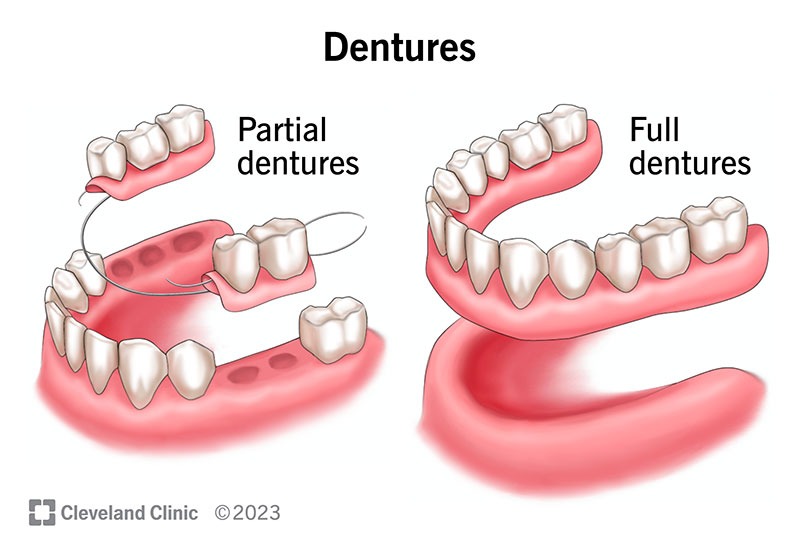
Complete dentures are removable dental appliances designed to replace all missing teeth in either the upper jaw, lower jaw, or both. They are commonly recommended for people who have lost all their natural teeth due to age, gum disease, injury, or other oral health conditions. Unlike partial dentures, which replace only a few missing teeth, complete dentures restore an entire arch of teeth and help bring back both function and appearance.
Complete dentures are custom-made for each patient. A dental professional takes precise impressions of the gums and jaw to create a set that closely matches the shape of the mouth. This ensures better comfort, stability, and a natural look. Modern complete dentures are much more advanced than older versions, offering improved aesthetics and a more secure fit.
Types of Complete Dentures
There are two main types of complete dentures commonly used in dentistry.
Conventional Complete Dentures
Conventional complete dentures are placed in the mouth after all remaining teeth have been removed and the gums have fully healed. This healing process can take several weeks to months. Once healing is complete, the dentures are made and fitted for long-term use. These dentures provide a stable and well-fitted solution for long-term tooth replacement.
Immediate Complete Dentures
Immediate dentures are inserted right after tooth extraction. This means patients do not have to go without teeth during the healing period. However, because the gums and bone change shape as they heal, immediate dentures often require adjustments or relining later to maintain a proper fit.
Benefits of Complete Dentures
Complete dentures offer several physical, functional, and emotional benefits that improve a person’s quality of life.
Restores Facial Appearance
One of the most noticeable benefits of complete dentures is the restoration of facial structure. When teeth are missing, the cheeks may appear sunken and the face may look aged. Complete dentures support facial muscles, giving the face a fuller and more youthful appearance.
Improves Chewing Ability
Eating becomes significantly easier with complete dentures. While they may not fully replicate the strength of natural teeth, they allow individuals to chew a wide variety of foods comfortably. This improves nutrition and overall health.
Enhances Speech
Missing teeth can affect pronunciation and clarity of speech. Complete dentures help restore proper tongue placement and airflow, making speech clearer and more confident over time.
Boosts Self-Confidence
Having a complete set of teeth can greatly improve self-esteem. Many people feel more comfortable smiling, speaking, and interacting socially after getting complete dentures.
Supports Oral Health
Complete dentures help maintain the structure of the mouth and prevent the shifting of remaining oral tissues. They also reduce strain on the jaw muscles by evenly distributing biting pressure.
Getting the Right Fit for Complete Dentures
A proper fit is essential for comfort and function. Poorly fitting dentures can cause irritation, soreness, and difficulty in speaking or eating.
Initial Consultation and Examination
The process begins with a dental examination where the dentist evaluates the gums, jawbone, and overall oral health. This step helps determine whether complete dentures are the best solution.
Taking Impressions
Accurate impressions of the mouth are taken using special materials. These impressions help create a precise mold of the gums and jaw structure, ensuring that the dentures fit well.
Trial Fitting
Before finalizing the dentures, a trial version is often created. This allows the dentist and patient to check fit, appearance, and bite alignment. Adjustments can be made at this stage to improve comfort and aesthetics.
Final Fitting
Once everything is approved, the final complete dentures are made and fitted. The dentist ensures that they sit comfortably and securely in the mouth. Minor adjustments may still be needed during follow-up visits.
Adjusting to Complete Dentures
It takes time for the mouth to fully adapt to wearing complete dentures. Most people experience a short adjustment period during the first few weeks.
Eating with Dentures
Initially, it is recommended to eat soft foods cut into small pieces. Chewing evenly on both sides of the mouth helps stabilize the dentures. Over time, most individuals regain the ability to eat a wider range of foods comfortably.
Speaking Clearly
Some people may notice slight changes in speech at first. Practicing speaking slowly and reading aloud can help the tongue adjust to the new dental structure.
Managing Soreness
Mild soreness or irritation is normal during the adjustment period. Dentists may make small adjustments to relieve pressure points and improve comfort.
Care Tips for Complete Dentures
Proper care is essential to maintain the longevity, appearance, and hygiene of complete dentures.
Daily Cleaning Routine
Complete dentures should be cleaned daily using a soft-bristle brush and a non-abrasive denture cleaner. This helps remove food particles, plaque, and stains. Regular toothpaste should be avoided as it may be too harsh and can scratch the surface.
Soaking Overnight
Dentures should be soaked in a denture-cleaning solution or plain water overnight. This keeps them moist and helps maintain their shape. Removing them at night also allows the gums to rest.
Handling with Care
Dentures are delicate and can break if dropped. It is advisable to handle them over a soft towel or a basin of water to prevent damage in case of accidental drops.
Regular Dental Checkups
Even with complete dentures, regular dental visits are important. The dentist checks the fit, condition of the gums, and overall oral health. Adjustments may be needed over time due to natural changes in the mouth.
Common Problems and Solutions
While complete dentures are highly effective, some common issues may occur.
Loose Fit
Over time, the jawbone may shrink slightly, causing dentures to become loose. This can be corrected through relining or replacement.
Difficulty Eating
Some foods may remain challenging to eat, especially sticky or very hard items. With practice and minor adjustments, most patients adapt well.
Gum Irritation
Improper fit or lack of cleaning can cause gum irritation. Regular cleaning and professional adjustments usually resolve this issue.
Advancements in Complete Dentures
Modern dentistry has significantly improved the quality of complete dentures. Today’s dentures are more natural-looking, lightweight, and comfortable than ever before. Digital scanning and advanced materials allow for better precision and durability. Some patients may also explore implant-supported options for added stability, although traditional complete dentures remain a widely used and cost-effective solution.
Conclusion
Complete dentures play a vital role in restoring oral function, appearance, and confidence for individuals who have lost all their teeth. From improving speech and chewing ability to enhancing facial aesthetics, they offer a comprehensive solution for full-mouth tooth replacement. With proper fitting, regular care, and adjustment, complete dentures can provide long-lasting comfort and functionality. Understanding how they work and how to maintain them helps ensure a smoother experience and better oral health outcomes.