

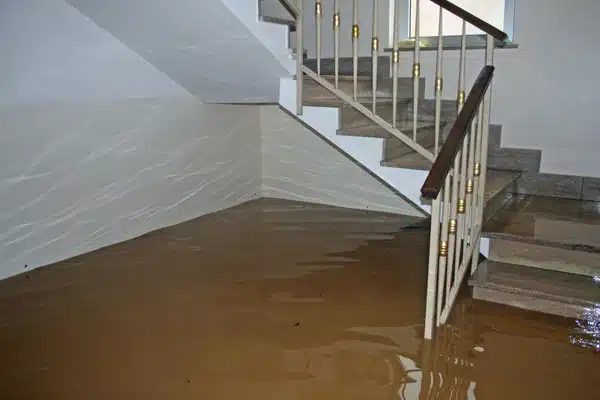
Water Damage Restoration is a complex process that requires the right techniques, tools, and knowledge to fully recover a property. One of the most difficult challenges homeowners face after any type of flooding or moisture intrusion is the unpleasant odor that remains long after the water has been removed. These odors come from mold, mildew, bacteria, and organic materials that start decomposing when exposed to moisture. To eliminate these smells effectively, it is important to understand their source and follow proven restoration methods that target deep contamination rather than simply masking the scent. This comprehensive guide explains exactly how to remove odors after water damage and restore a fresh, clean indoor environment.
Understanding the Source of Odors After Water Damage
Before tackling odor removal, it is essential to know what causes the smell in the first place. When an area becomes wet due to flooding, burst pipes, or roof leaks, moisture seeps into building materials such as drywall, insulation, carpet, and wooden structures. If moisture is not extracted quickly, bacteria and mold begin to grow. These microorganisms release strong, musty odors that intensify over time. In Water Damage Restoration, identifying the source of the smell is the first major step. Odors can also originate from contaminated water, especially in cases involving sewage backups or stormwater flooding. When water contains organic waste, chemicals, or debris, the smell can be more severe and harmful. Therefore, full odor removal requires addressing the underlying contamination rather than just using surface deodorizers.
Importance of Quick Water Damage Restoration
Addressing odors begins the moment water damage occurs. The longer moisture remains, the deeper it penetrates into materials, making odors harder to eliminate. Timely Water Damage Restoration prevents bacteria and mold from multiplying. Quick extraction reduces structural damage and protects indoor air quality. Restoration professionals recommend that drying begin within the first 24 to 48 hours to prevent odors from becoming permanent. Fast action also minimizes the need for major demolition and replacement, saving time and money. By reducing the extent of contamination early, odor removal becomes much easier.
Step-by-Step Odor Removal After Water Damage
Removing odors effectively requires a combination of cleaning, disinfecting, and deodorizing. Below are the professional methods used in Water Damage Restoration to achieve complete odor elimination.
Step 1: Remove Excess Water Immediately
The first step in addressing odors is to extract all standing water. Using pumps, wet vacuums, or professional extraction machines, the water must be removed thoroughly. The faster this process is completed, the less likely odors will develop. Leaving water for even a few hours can create the perfect environment for microbial growth, which leads to persistent smells.
Step 2: Dry the Area Thoroughly
Once the water is removed, the drying phase begins. Industrial air movers, dehumidifiers, and specialized drying equipment are used to eliminate moisture from carpets, walls, floors, and furniture. Proper drying prevents mold development, which is the main source of musty odors. In Water Damage Restoration, drying is not limited to visible surfaces. Hidden areas such as wall cavities, subfloors, and insulation must also be dried, or they can continue to produce odors long after the restoration is complete.
Step 3: Clean and Disinfect All Affected Surfaces
After drying, cleaning and disinfecting the area is necessary to eliminate bacteria and microorganisms. Strong antimicrobial solutions are used to treat surfaces that have been exposed to moisture. Areas such as baseboards, drywall, flooring, and furniture must be sanitized thoroughly. For carpets and upholstered items, deep cleaning methods such as hot water extraction or steam cleaning help remove contaminants trapped in fibers. Disinfecting not only eliminates odors but also makes the environment safe and hygienic.
Step 4: Remove Damaged Materials That Cannot Be Restored
In some cases, certain materials cannot be fully dried or cleaned. Items like soaked insulation, heavily damaged drywall, and waterlogged carpets may need to be removed and replaced. These materials hold moisture and bacteria, contributing to ongoing odors even if the surface appears dry. A key part of professional Water Damage Restoration is determining which materials can be salvaged and which must be replaced to ensure long-term odor removal.
Step 5: Use Odor Neutralizers and Deodorizers
After the structure is cleaned and dried, specialized odor-neutralizing products are used to eliminate any remaining smell. Unlike air fresheners that mask odors, restoration-grade deodorizers work at a molecular level. These products break down odor-causing particles and remove them permanently. Common deodorizing methods include thermal fogging, odor-counteracting agents, and air purification treatments. These techniques penetrate deep into materials where odors may be trapped.
Step 6: Apply Advanced Odor Removal Techniques
For severe or stubborn odors, advanced technologies are used in Water Damage Restoration. These include ozone treatment, hydroxyl generators, and activated charcoal filtration. Ozone generators release ozone molecules that break apart odor compounds, neutralizing them completely. Hydroxyl generators use UV light to destroy airborne contaminants and odors safely. Activated charcoal absorbs lingering smells from the air. These methods are extremely effective for eliminating strong odors caused by mold, sewage, or long-term water exposure.
Step 7: Inspect and Monitor Humidity Levels
Even after cleaning and deodorizing, maintaining the proper humidity level is important. High humidity can reactivate odors by encouraging mold or bacteria to grow again. Professionals monitor the area using moisture meters and hygrometers to ensure the environment remains dry and safe. Long-term odor control requires keeping humidity between 30% and 50%.
Preventing Odors After Water Damage
Prevention is always better than dealing with deep odors later. Simple preventive steps include fixing leaks immediately, maintaining proper ventilation, using dehumidifiers in damp areas, and keeping gutters and drainage systems clear. Regular inspection of pipes, roofing, and basements can help prevent future water damage that may lead to odors.
Why Professional Water Damage Restoration Matters
While some homeowners attempt to remove odors on their own, professional restoration services are far more effective. Experts use specialized equipment and techniques designed for deep cleaning, deodorizing, and moisture control. Professionals understand how odors travel through structures and how to eliminate them completely. DIY methods often only treat surface smells, leaving hidden contamination behind.
Final Thoughts
Removing odors after water damage requires a systematic and thorough approach. Proper Water Damage Restoration eliminates both visible signs of damage and hidden odor-causing contaminants. From immediate water extraction to advanced deodorizing treatments, every step plays a critical role in restoring a clean and healthy indoor environment. Following these methods ensures long-lasting freshness and prevents future odor problems.