

Understanding the rise of e-ink tablets is essential in today’s digital reading and note-taking environment. With more people seeking devices that combine the convenience of digital tools with the comfort of paper, e-ink tablets have become increasingly popular. These devices are designed to reduce eye strain, offer long battery life, and provide a natural reading and writing experience. However, choosing the best e-ink tablet requires careful consideration of various factors that affect performance, usability, and overall satisfaction.
Performance and Screen Quality
One of the most critical aspects of any e-ink tablet is its screen quality. E-ink technology mimics the appearance of ink on paper, offering high contrast and reduced glare compared to traditional LCD or OLED screens. When selecting an e-ink tablet, consider screen resolution and size. Higher resolutions provide crisper text and images, enhancing readability for extended periods. Screen size impacts portability and usability; smaller devices are convenient for on-the-go reading, while larger screens are better suited for note-taking, sketching, or reading PDFs and technical documents.
The refresh rate of the e-ink screen is another factor to consider. While e-ink tablets are not typically designed for fast-paced tasks like gaming, smoother page transitions and reduced ghosting can improve the reading experience. Some advanced e-ink tablets also feature color e-ink displays, which can be useful for reading magazines, textbooks, or documents with illustrations. However, color screens may have slightly slower refresh rates and higher power consumption.
Battery Life and Charging
One of the major advantages of e-ink tablets is their exceptional battery life. Unlike traditional tablets, which often require daily charging, e-ink tablets can last days or even weeks on a single charge. This is largely due to the low power consumption of e-ink displays, which only use energy when the screen is updated. When choosing an e-ink tablet, it is important to consider battery capacity and real-world usage scenarios. Devices with larger batteries or more efficient processors can extend reading sessions, making them ideal for travel or long workdays.
Charging convenience is another consideration. Some e-ink tablets use standard USB-C ports, allowing for faster charging and compatibility with common chargers, while others may require proprietary adapters. Evaluating both battery life and charging options ensures a seamless and uninterrupted experience.
Operating System and App Support
The operating system of an e-ink tablet plays a significant role in its usability and functionality. Many e-ink tablets run on custom operating systems designed specifically for reading and note-taking, providing a focused and distraction-free environment. Others run on popular mobile operating systems such as Android, allowing users to access a broader range of apps, including productivity tools, note-taking apps, and e-book stores.
When selecting an e-ink tablet, consider the ecosystem of apps and file formats it supports. Compatibility with PDF, EPUB, MOBI, and other common formats ensures flexibility for both reading and work-related tasks. Additionally, some devices offer cloud synchronization, allowing users to seamlessly transfer notes, annotations, and documents across multiple devices. This can be particularly valuable for students, professionals, and avid readers who rely on digital organization.
Writing and Note-Taking Capabilities
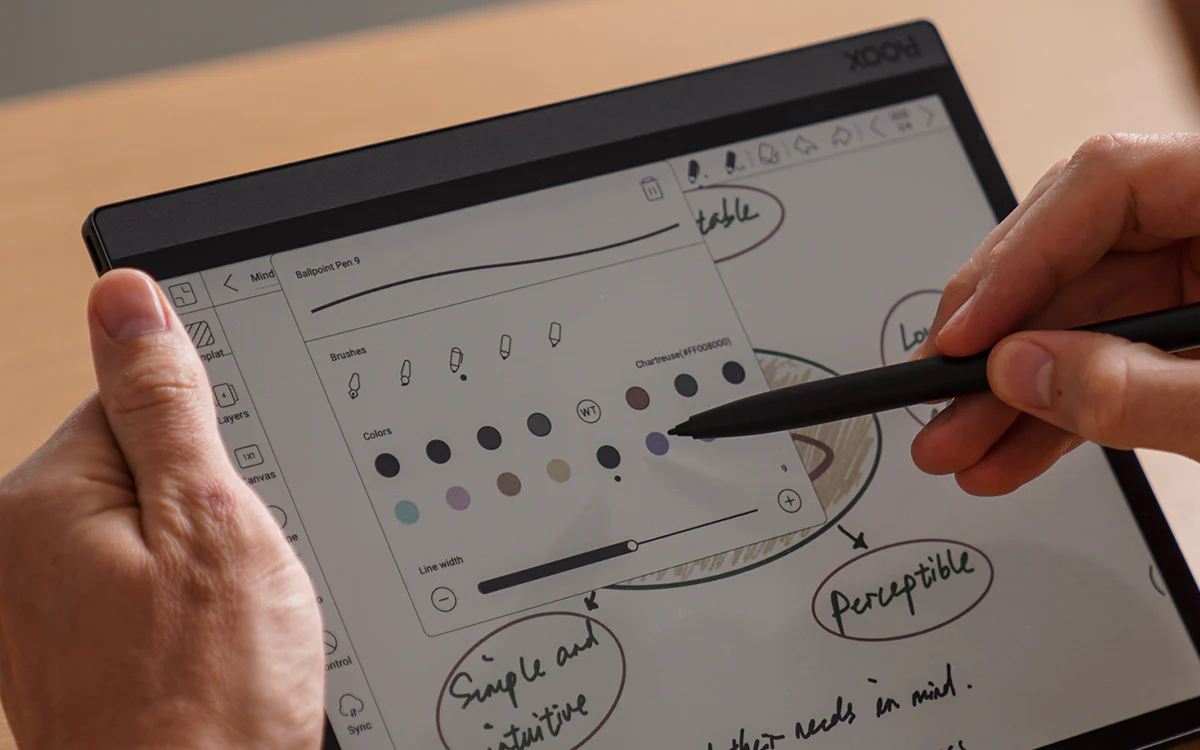
A key feature that differentiates e-ink tablets from traditional e-readers is their writing and note-taking capabilities. Many e-ink tablets come with stylus support, allowing users to annotate documents, jot down notes, and even sketch. The quality of the stylus experience depends on factors such as pressure sensitivity, latency, and palm rejection. Devices with advanced stylus technology provide a natural and responsive writing experience, closely mimicking pen on paper.
If note-taking is a primary use case, consider how the e-ink tablet organizes and stores notes. Features such as searchable handwriting, cloud backup, and the ability to export notes in various formats can significantly enhance productivity. Some e-ink tablets also offer templates for planners, journals, or graph paper, catering to diverse user needs.
Portability and Build Quality
Portability is an essential consideration for anyone looking to use an e-ink tablet on the go. Weight, thickness, and durability all influence how easy it is to carry the device. A lightweight and slim e-ink tablet can fit comfortably in a bag or backpack, making it ideal for commuting, travel, or daily use. Build quality is equally important; a sturdy device with a high-quality screen and robust materials ensures longevity and minimizes the risk of damage from accidental drops or impacts.
Connectivity and Storage
Connectivity options can enhance the functionality of an e-ink tablet. Wi-Fi is standard on most devices, enabling e-book downloads, app updates, and cloud synchronization. Some e-ink tablets also feature cellular connectivity, allowing users to access content anywhere without relying on Wi-Fi. Bluetooth support is another useful feature, enabling the connection of wireless keyboards, headphones, or other peripherals.
Storage capacity is an important factor, especially for users who intend to store large libraries of books, documents, or media files. While many e-ink tablets offer expandable storage through microSD cards, internal storage size remains a key consideration. Devices with larger storage accommodate more content without requiring constant file management or cloud access.
Price and Value
Price is often a decisive factor when choosing an e-ink tablet. The market offers a wide range of options, from budget-friendly devices focused solely on reading to premium models with advanced note-taking and productivity features. Assessing the value of an e-ink tablet involves weighing features, performance, and overall experience against cost. Premium models may offer better screen quality, stylus support, and enhanced software, while budget models provide a reliable reading experience at a lower cost.
Conclusion
Selecting the best e-ink tablet requires a careful balance of screen quality, battery life, operating system, note-taking capabilities, portability, connectivity, and price. Understanding personal usage habits and priorities can simplify the decision-making process. Whether your goal is immersive reading, efficient note-taking, or a combination of both, an e-ink tablet offers a unique and comfortable experience that bridges the gap between traditional paper and modern digital convenience. Evaluating the factors outlined above ensures that you choose a device that meets your needs, enhances productivity, and elevates your reading experience.